Electrical issues in homes are more common than most people realize. From small inconveniences like flickering lights to serious hazards like overloaded circuits, these problems can affect safety, comfort, and appliance performance. Understanding the causes and knowing when to take action can help prevent bigger electrical failures.
Frequent Circuit Breaker Tripping
One of the most common issues homeowners face is a breaker that keeps tripping. This usually happens when too many appliances are connected to a single circuit, causing overload. Faulty wiring or short circuits can also be the reason. The safest approach is to reduce the load on that circuit and have a professional electrician inspect the system if the problem continues.
Flickering or Dimming Lights
If your lights flicker or dim frequently, it could indicate loose wiring, unstable voltage, or issues with the fixture itself. In some cases, large appliances turning on can temporarily affect lighting circuits. However, consistent flickering should never be ignored as it may signal deeper wiring problems.
Dead Outlets or Switches
When outlets or switches stop working, it may be due to tripped breakers, loose connections, or internal damage. Resetting the breaker may fix minor issues, but persistent dead outlets require professional inspection to ensure safety and prevent fire risks.
Overloaded Power Circuits
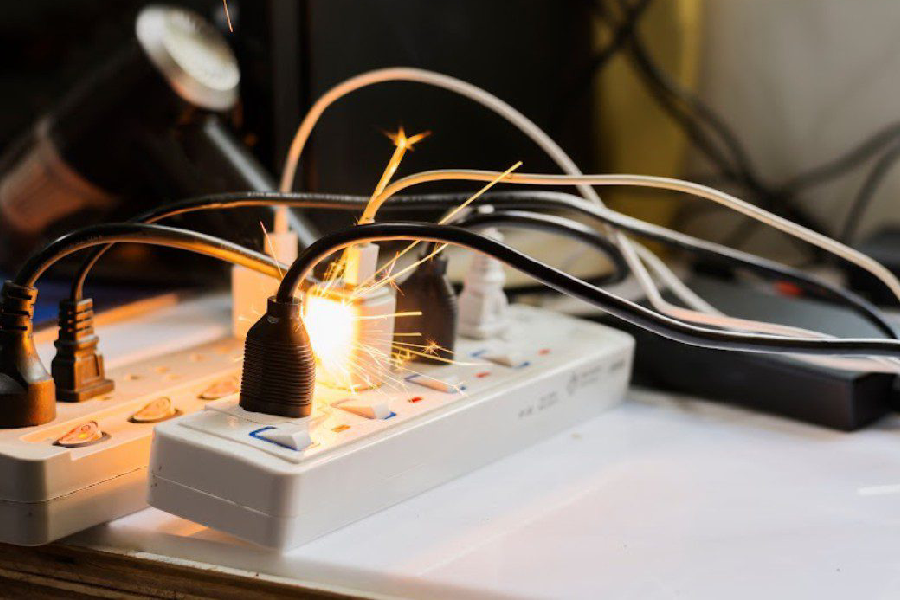
Using too many high-power devices on a single outlet or extension can overload your system. This is dangerous and can lead to overheating or electrical fires. It’s important to distribute appliances properly and upgrade wiring if needed.
Electrical Shocks or Sparks
Even a small shock when plugging in devices is a warning sign. It often indicates grounding issues or damaged wiring. Sparks from outlets are even more serious and should be addressed immediately by turning off power and calling a licensed electrician.
Outdated Wiring Systems
Older homes may still have outdated wiring that cannot handle modern electrical loads. This can lead to frequent issues and safety risks. Upgrading your electrical system improves efficiency and reduces hazards significantly.
Keeping your home electrical system in good condition is essential for safety and reliability. Regular inspections, proper load management, and timely repairs can prevent most common electrical problems before they become serious hazards.